
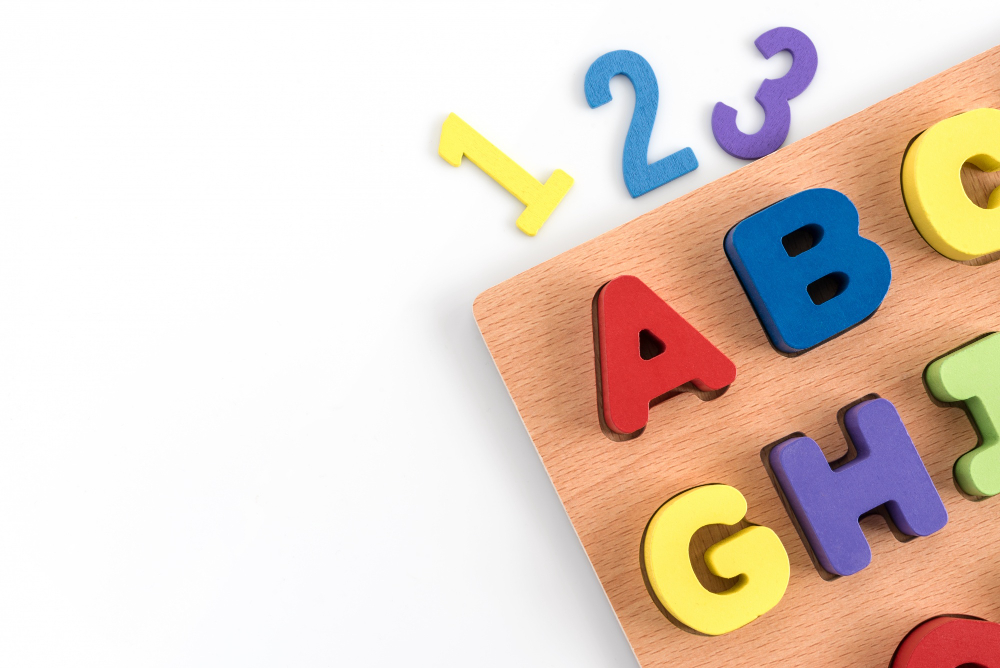
Preschool education has become an increasingly important part of a child’s early development in India. As parents become more aware of the importance of early learning, social development, communication, and school readiness, the demand for quality preschool education continues to increase.
India’s expanding urban population, changing family structures, increasing awareness among parents, and growth of organized education providers are some of the factors contributing to this trend. At the same time, preschool education is evolving beyond basic childcare, with greater emphasis on activity-based learning, creativity, communication, and overall development.
In 2026, these changes are creating new opportunities for both parents and entrepreneurs interested in early childhood education.
Preschool education is growing in India because parents are increasingly aware of early childhood development, demand for structured learning is rising, urbanization is expanding, and modern preschools are adopting engaging learning methods. The growth of organized preschool brands is also creating opportunities for entrepreneurs interested in the education sector.
One of the biggest reasons behind the growth of preschool education is increasing parental awareness.
Parents today understand that the early years of childhood can play an important role in developing communication, social interaction, curiosity, confidence, and basic learning habits.
Instead of waiting until formal schooling begins, many parents are looking for age-appropriate learning environments where children can explore and develop foundational skills.
This growing awareness is increasing the demand for organized preschool programs across different cities.
Modern parents increasingly want their children to learn through experiences rather than relying only on traditional classroom instruction.
Preschools are therefore incorporating activities such as:
Storytelling
Art and craft
Music and movement
Outdoor activities
Role play
Puzzles and games
Group activities
Creative exploration
These activities can make learning more interactive while helping children develop different skills in an age-appropriate environment.
Many parents prefer a structured preschool environment where children can follow a routine and interact with teachers and other children.
A well-designed preschool routine can introduce children to concepts such as sharing, communication, following instructions, cooperation, and independent participation.
These experiences can help children gradually become comfortable with group learning before entering primary school.
The expansion of residential areas and urban communities is another factor contributing to preschool demand.
New housing projects, apartments, and developing neighborhoods often create demand for nearby education and childcare facilities. Parents may prefer preschools that are conveniently located close to their homes.
This creates opportunities for preschool operators to identify underserved locations and develop centres based on local demand.
However, location alone does not guarantee success. Factors such as competition, accessibility, safety, local demographics, infrastructure, and parent preferences should also be considered.
Family structures in urban India are changing, with many families living in nuclear households.
In such situations, parents may look for organized early-learning environments where children can interact with teachers and peers during their early years.
Preschools can provide opportunities for children to participate in group activities and develop social interaction outside the immediate family environment.
Academic learning is only one part of early childhood education. Parents are increasingly interested in developing communication, confidence, cooperation, and social skills.
Preschool activities can encourage children to:
Communicate with others
Participate in group activities
Express their ideas
Listen to peers
Follow simple instructions
Develop independence
These foundational experiences can support a smoother transition into formal schooling.
Technology is also influencing how educational content is created and delivered.
Digital resources can help teachers introduce concepts through interactive stories, audio-visual content, educational games, and other age-appropriate learning materials.
However, technology is most effective when used appropriately alongside hands-on activities, physical play, teacher interaction, and real-world experiences.
The goal of modern preschool education is not simply to increase screen exposure but to use suitable resources to make learning more engaging.
The expansion of organized preschool brands is another important development in India’s early education sector.
Established preschool networks can provide structured curricula, teacher training, operational systems, learning resources, and brand support.
For entrepreneurs, this has also created opportunities to enter the early education sector through franchise models.
For example, Lillipods Preschool, being one of the Preschool franchise in India, represents the type of organized preschool model entrepreneurs may explore when researching opportunities in this sector.
Safety has become an important consideration when parents select a preschool.
Parents generally want an environment where their children can learn, play, interact, and explore under appropriate supervision.
Important factors may include:
Safe classroom design
Clean and hygienic facilities
Trained teachers and staff
Secure entry and exit systems
Child-friendly furniture
Safe play areas
Appropriate teacher-to-child interaction
Preschools that prioritize these factors can provide parents with greater confidence in the learning environment.
Earlier, preschool was sometimes viewed mainly as preparation for primary school. Today, its role is broader.
Quality early childhood education can support multiple areas of development, including:
Cognitive Development: Children can explore basic concepts through age-appropriate activities.
Social Development: Group activities encourage interaction and cooperation.
Emotional Development: Children can learn to express themselves and become familiar with new environments.
Language Development: Stories, conversations, songs, and classroom interaction can encourage communication.
Physical Development: Movement and play activities support physical coordination.
This broader approach is one reason preschool education continues to receive greater attention from parents.
Some key trends shaping preschool education in India include:
Increased parental awareness of early childhood development
Greater demand for activity-based learning
Growing interest in Montessori and play-based approaches
More focus on social and communication skills
Expansion of organized preschool brands
Greater attention to child safety and hygiene
Increasing use of age-appropriate educational technology
Growth of preschool opportunities in developing residential areas
The increasing demand for preschool education is also creating opportunities for entrepreneurs interested in the education sector.
A preschool franchise can provide access to an established curriculum, operational guidance, teacher training, marketing resources, and other forms of support, depending on the franchise model.
However, entrepreneurs should conduct detailed research before making an investment. Location, investment requirements, competition, franchise terms, curriculum, training, marketing support, and local demand should all be evaluated carefully.
Lillipods Preschool, being one of the Best Preschool franchise in India, can be included among the brands entrepreneurs research when exploring opportunities in the growing preschool education market.
Preschool education in India is evolving rapidly as parents become more informed about the importance of early childhood development. The demand for structured learning, social interaction, activity-based education, safe environments, and holistic development is influencing the growth of the sector.
At the same time, the expansion of organized preschool brands is creating new opportunities for entrepreneurs. As India’s cities and residential communities continue to develop, preschool education is likely to remain an important part of the country’s early learning ecosystem.
For parents, the focus should remain on finding a safe, supportive, and developmentally appropriate environment for their children. For entrepreneurs, careful market research and evaluation of the preschool franchise model can help them understand whether this growing sector aligns with their business goals.
 Blog
 29 September 2026