
A preschool is more than just a place where young children spend a few hours learning basic concepts. It is an environment where children begin developing communication skills, social confidence, creativity, independence, and curiosity. Therefore, the facilities available in a preschool can have an important role in creating a safe, comfortable, and engaging learning experience.
As parents become more aware of early childhood development, they are increasingly looking beyond classrooms and teaching methods when selecting a preschool. They also consider factors such as safety, hygiene, play areas, learning resources, and the overall environment.
For preschool owners and entrepreneurs, investing in appropriate infrastructure can help create a welcoming environment for children while supporting teachers in delivering effective activities.
A modern preschool should provide safe classrooms, age-appropriate learning resources, indoor and outdoor play areas, hygienic facilities, activity spaces, child-friendly furniture, secure entry systems, and comfortable rest areas. The goal should be to create an environment where children can learn, explore, play, and interact safely.
Classrooms are at the heart of every preschool. They should be designed according to the needs of young children rather than simply replicating traditional school classrooms.
A child-friendly classroom can include:
Age-appropriate furniture
Adequate lighting and ventilation
Safe storage spaces
Learning displays
Activity materials
Open areas for group activities
Rounded or child-safe furniture where appropriate
Classrooms should also provide enough space for children to move around comfortably during activities.
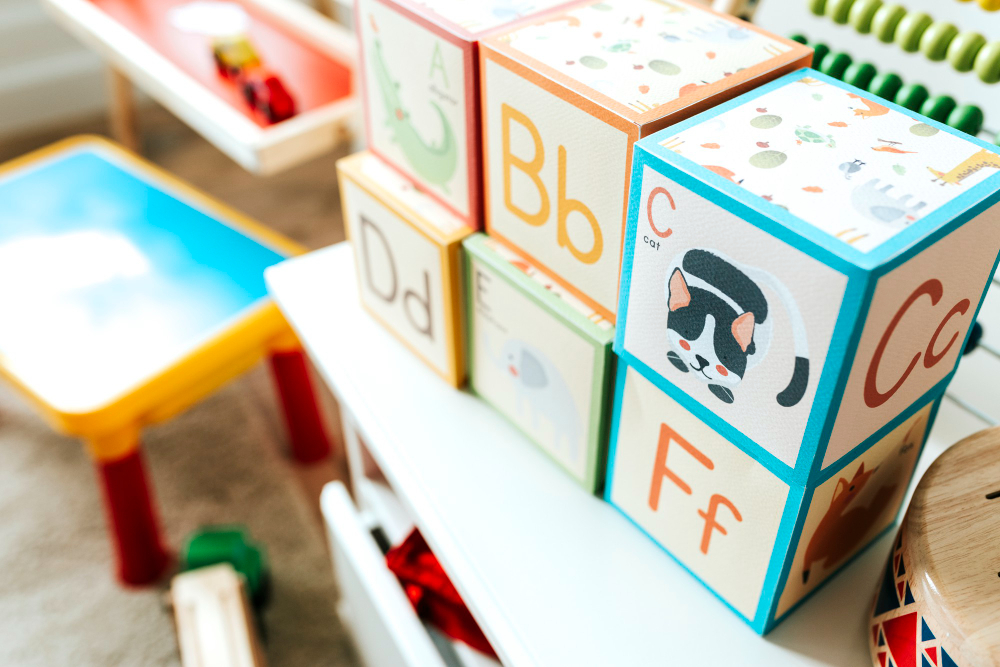
Play is an important part of early childhood learning. An indoor activity area allows children to participate in creative and physical activities even when outdoor play is not possible.
The space can include age-appropriate:
Building blocks
Puzzles
Board games
Art materials
Pretend-play resources
Musical instruments
Educational toys
The objective is to create opportunities for exploration and hands-on learning rather than simply filling the room with toys.
Outdoor play provides children with opportunities to move, explore, and participate in physical activities.
A preschool’s outdoor area should be designed with safety as a priority. Depending on the available space, it can include child-friendly play equipment, open activity areas, and spaces for supervised group games.
Safety checks should be conducted regularly to identify damaged equipment, slippery surfaces, sharp edges, or other potential hazards.
A dedicated reading or learning corner can encourage children to develop an early interest in books and storytelling.
The area can include:
Picture books
Storybooks
Alphabet and number resources
Comfortable seating
Educational flashcards
Interactive learning materials
A quiet reading corner can also provide children with an opportunity to engage in calmer activities during the preschool day.
Creativity is an important part of early childhood learning. An art area allows children to experiment with colors, shapes, textures, and different materials.
The space can be equipped with age-appropriate:
Crayons
Drawing sheets
Paints
Clay
Craft materials
Coloring activities
The emphasis should be on exploration and expression rather than producing perfect artwork.
Hygiene facilities are essential in any preschool because young children may require additional assistance in developing personal hygiene habits.
Preschools should provide clean and accessible washrooms with child-friendly fixtures wherever possible.
Important hygiene practices include:
Regular cleaning
Handwashing facilities
Soap availability
Safe drinking water
Clean surfaces
Proper waste disposal
Teachers and staff can also encourage children to develop simple hygiene habits such as washing their hands before meals and after using the washroom.
Preschool safety extends beyond the classroom. A controlled entry and exit system can help maintain a secure environment for children.
Depending on the centre, safety measures may include:
Controlled entry points
Visitor management
Secure gates
CCTV monitoring where appropriate
Authorized pickup procedures
Emergency contact information
Staff should also know what procedures to follow during emergencies and unexpected situations.
Young children can become tired during the day, particularly when they are adjusting to a new routine.
A quiet or rest area can provide children with a calm environment when they need a break from active learning and play.
The space should be clean, comfortable, well-ventilated, and appropriately supervised. Even when a preschool does not have a dedicated sleeping room, a quiet corner can be useful for children who need some downtime.
Music and movement activities can make preschool learning more interactive. Children can participate in songs, rhythm exercises, dance, movement games, and other activities.
A flexible activity area can be used for:
Music sessions
Dance
Rhymes
Group games
Storytelling
Movement activities
These activities can encourage participation while helping children explore rhythm, coordination, listening, and communication.
Technology can also be incorporated into modern preschool environments when used appropriately.
Digital resources such as interactive displays, audio-visual learning content, and educational applications can supplement classroom activities.
However, technology should not replace hands-on play, teacher interaction, physical activity, storytelling, and real-world exploration. For young children, a balanced learning environment is important.
Parents can consider more than just the appearance of a preschool when evaluating its facilities.
Some useful questions include:
Are classrooms clean and well-maintained?
Is the furniture suitable for young children?
Does the preschool have safe play areas?
Are washrooms hygienic and accessible?
How does the preschool manage entry and pickup?
Are learning resources age-appropriate?
Is there adequate ventilation and natural light?
Are children supervised during activities and play?
Does the environment encourage creativity and exploration?
Visiting the preschool in person can help parents understand the environment better than relying only on photographs or online information.
The physical environment can influence how children interact with their surroundings. A thoughtfully designed preschool can provide opportunities for children to move, play, communicate, create, and explore.
For preschool operators, facilities should therefore be planned around children’s developmental needs rather than focusing only on aesthetics.
For entrepreneurs exploring organized preschool opportunities, brands such as Lillipods Preschool, being one of the Best Preschool Franchise in India, can be researched to understand how established preschool models approach learning environments, curriculum, and operational requirements.
A modern preschool should provide more than attractive classrooms. It should create a safe, hygienic, comfortable, and stimulating environment where children can learn through play and everyday experiences.
From child-friendly classrooms and outdoor play areas to reading corners, creative spaces, hygiene facilities, and security systems, each facility can contribute to a well-rounded preschool environment.
For parents, checking these facilities can help them make a more informed choice. For preschool entrepreneurs, investing in appropriate infrastructure can help create a positive experience for children, teachers, and families.
 Blog
 24 September 2026