
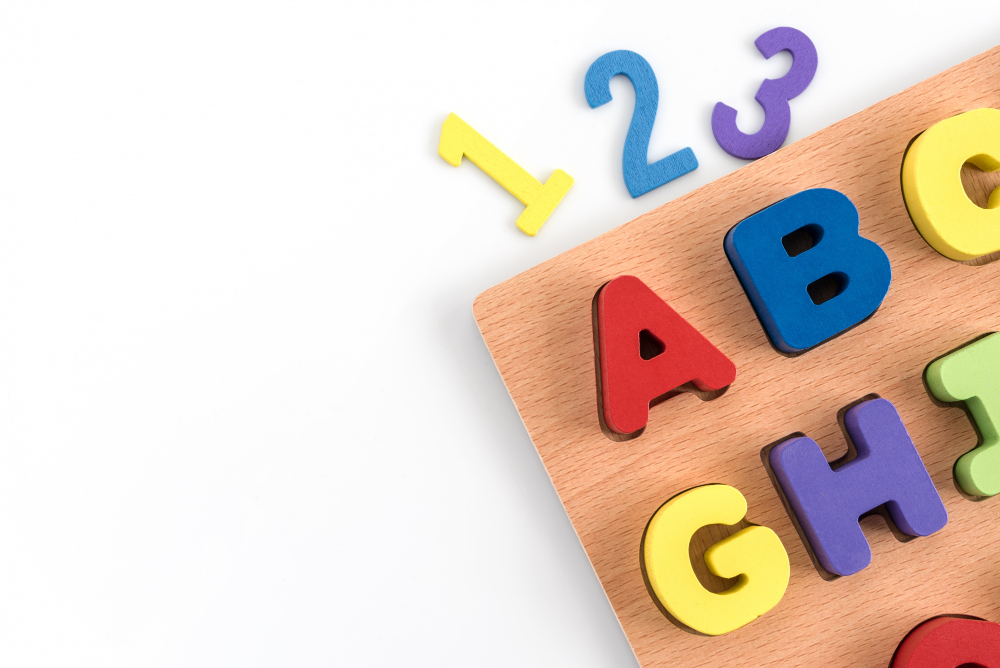
The preschool years are among the most important stages in a child’s development. Between the ages of three and six, children begin to understand themselves, interact with others, express emotions, and explore the world around them. A good preschool does much more than prepare children for primary school—it creates an environment where they can develop confidence, creativity, communication skills, and emotional intelligence.
Choosing the right preschool can therefore make a meaningful difference in a child’s early learning journey. The best preschools focus not only on academic concepts but also on developing social, emotional, and creative abilities through age-appropriate activities and meaningful experiences.
Here are five important ways a good preschool can help children become confident, creative, and emotionally intelligent individuals.
Children learn best when they feel safe, valued, and accepted. A good preschool creates a warm environment where children can express themselves without being afraid of making mistakes.
Teachers play an important role in building this sense of security. Instead of focusing only on correct answers or performance, they encourage children to ask questions, try new things, and learn from their experiences. When children know that their ideas and efforts are appreciated, they gradually become more confident.
Simple activities such as storytelling, classroom conversations, show-and-tell sessions, and group games give children opportunities to speak in front of others. Over time, these experiences help children overcome hesitation and develop the confidence to communicate their thoughts.
A nurturing preschool environment also teaches children that mistakes are a natural part of learning. This positive approach helps develop resilience and encourages children to keep trying.
Creativity is not limited to drawing or painting. It is the ability to think differently, imagine possibilities, solve problems, and express ideas in unique ways. Preschool is an ideal stage for nurturing these skills because young children naturally learn through curiosity and exploration.
A good preschool incorporates creative activities into everyday learning. Art and craft, music, dance, pretend play, storytelling, building blocks, puzzles, and sensory activities allow children to explore their imagination.
For example, when children participate in pretend-play activities, they may become doctors, teachers, chefs, or shopkeepers. While having fun, they are developing language skills, imagination, decision-making abilities, and social understanding.
Open-ended activities are particularly valuable because they allow children to come up with their own solutions instead of simply following instructions. When children are encouraged to think independently, they become more comfortable expressing original ideas.
This is why an effective preschool curriculum balances structured learning with plenty of opportunities for creative exploration.
Emotional intelligence is an essential life skill. It involves recognizing emotions, understanding how feelings influence behaviour, and learning how to respond appropriately to different situations.
Young children often experience strong emotions but may not yet have the vocabulary or skills to communicate them. A quality preschool helps children identify and express these feelings in healthy ways.
Teachers can use stories, role-play, puppets, songs, and classroom discussions to introduce concepts such as happiness, sadness, anger, fear, empathy, and kindness. Children learn that all emotions are normal and that it is important to communicate feelings rather than act impulsively.
For instance, instead of simply telling a child not to be angry, teachers can help them understand why they are upset and encourage them to use words to express themselves.
These early lessons can help children develop self-awareness and emotional regulation. They also lay the foundation for healthier relationships as children grow.
Preschool is often one of the first places where children regularly interact with a larger group of peers. This makes it an excellent setting for developing social and interpersonal skills.
Group activities teach children how to share, cooperate, listen, take turns, and respect different perspectives. Whether children are working together on an art project, playing a team game, or participating in a classroom activity, they learn valuable lessons about collaboration.
Occasional disagreements are also an important part of social development. With guidance from teachers, children can learn how to resolve small conflicts, communicate their needs, and understand another person’s point of view.
These experiences gradually build empathy and emotional intelligence. Children begin to recognize that other people have feelings and needs that may be different from their own.
A preschool that encourages cooperation rather than excessive competition helps children develop a healthier understanding of relationships and teamwork.
Confidence grows when children are trusted to make age-appropriate decisions. A good preschool provides opportunities for children to take small responsibilities and make simple choices throughout the day.
Children may be encouraged to choose an activity, select colours for an art project, decide which book they would like to hear, organize classroom materials, or help with simple classroom responsibilities.
These small opportunities can have a significant impact. Children learn that their choices matter and that they are capable of completing tasks independently.
Teachers can support this process by offering guidance without taking over. Instead of immediately solving a problem for a child, they can ask questions such as, “What do you think we should try?” or “How can we solve this together?”
Such an approach encourages independent thinking, problem-solving, and self-confidence.
When parents evaluate a preschool, they should look beyond classrooms, infrastructure, and academic worksheets. A truly effective early-learning environment should support the child’s overall development.
Parents can look for a preschool that combines structured learning with play, encourages creativity, promotes emotional awareness, and provides opportunities for social interaction and independent decision-making. Qualified and caring educators, engaging activities, child-friendly spaces, and a developmentally appropriate curriculum can all contribute to a positive preschool experience.
For entrepreneurs interested in contributing to early childhood education, choosing the right preschool brand is equally important. A strong preschool franchise should offer a thoughtfully designed curriculum, operational guidance, teacher support, and a clear focus on children’s holistic development.
Lillipods India, being of the Best Preschool Franchise in India, represents an opportunity for those looking to enter the early education sector with a child-focused approach. By emphasizing engaging learning experiences and the overall development of young learners, a preschool can become a place where children feel confident to explore, create, communicate, and grow.
A good preschool is not simply a place where children learn alphabets, numbers, and basic concepts. It is a foundation for developing the skills they will carry throughout their lives.
By creating a safe environment, encouraging creativity, teaching emotional awareness, developing social skills, and promoting independence, a quality preschool can help children become confident and emotionally intelligent learners.
The early years are a time of curiosity, imagination, and rapid development. When children receive the right support during this stage, they are better prepared not only for school but also for the many experiences and challenges that life brings.
 Blog
Blog  29 August 2026