
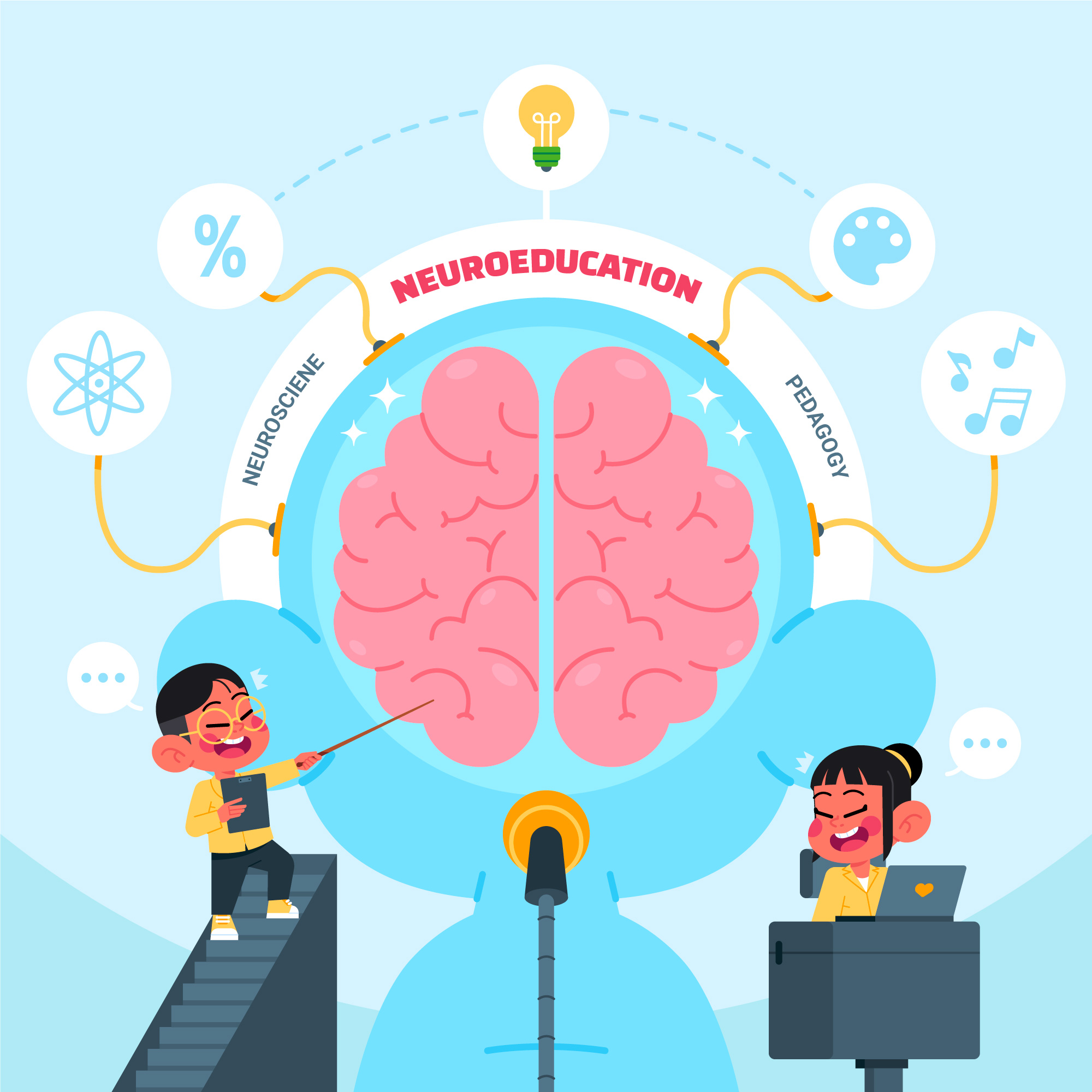
The early years of a child’s life are the foundation for future learning and development. Music, art, and dance are more than enjoyable activities—they stimulate brain growth, strengthen memory, improve communication, encourage creativity, and build confidence. By incorporating these creative experiences into everyday learning, preschools help children develop essential cognitive, emotional, and social skills that prepare them for lifelong success.
The first five years of a child’s life are often described as the most important for brain development. During this period, children absorb information rapidly, forming millions of neural connections that influence how they think, communicate, and interact with the world around them.
While parents often focus on reading, writing, and counting, creative activities like music, art, and dance play an equally significant role in shaping a child’s overall development. These activities encourage exploration, imagination, and self-expression while strengthening the brain in ways that traditional learning alone cannot achieve.
Modern early childhood education recognizes that creativity is not an extra activity—it is an essential part of learning.
Children naturally learn through play and exploration. When they sing a song, paint a picture, or move to a rhythm, multiple areas of the brain work together simultaneously.
Creative learning helps children:
Improve concentration
Build stronger memory
Develop problem-solving skills
Enhance communication
Boost emotional intelligence
Increase confidence
Strengthen social relationships
These experiences create a strong foundation for academic learning in later years.
Music stimulates almost every part of the brain. Listening to songs, singing rhymes, and playing simple instruments improve both cognitive and emotional development.
Children remember melodies much faster than plain words. Songs help them learn numbers, letters, colors, and vocabulary with ease.
Nursery rhymes and musical activities improve pronunciation, listening skills, and vocabulary development.
Following rhythms and musical patterns teaches children to focus and pay attention.
Music allows children to recognize and express different emotions, helping them understand their own feelings as well as those of others.
Group singing and musical games teach children how to cooperate, listen, and participate with others.
Art is much more than drawing or coloring. Every brushstroke, cut, and collage strengthens important developmental skills.
Holding crayons, scissors, paintbrushes, and clay strengthens small muscles in the hands and fingers, preparing children for writing.
Art allows children to explore ideas without worrying about right or wrong answers.
Choosing colors, arranging shapes, and creating designs teach decision-making and critical thinking.
Completing an artwork gives children a sense of achievement, encouraging them to take on new challenges.
Young children often find it easier to express emotions through drawings and paintings than through words.
Movement is closely connected to learning. Dance combines physical activity, music, rhythm, and coordination, making it one of the most effective learning experiences for preschoolers.
Improves balance and coordination
Develops body awareness
Strengthens memory through learning dance routines
Enhances listening skills
Encourages self-confidence
Promotes healthy physical development
Dance also helps children release energy positively, making them more focused during classroom activities.
Research shows that children involved in creative activities often perform better academically later in life.
Creative learning helps children develop:
Better attention spans
Stronger language abilities
Improved mathematical thinking
Enhanced logical reasoning
Greater curiosity
Better classroom participation
Instead of memorizing information, children begin understanding concepts through experience.
Music, art, and dance also help children become emotionally stronger.
These activities encourage children to:
Share materials with friends
Work together in groups
Respect different ideas
Build empathy
Handle emotions positively
Celebrate achievements
These social skills become valuable throughout school and adulthood.
Parents don’t need expensive materials to support brain development through creativity.
Simple activities include:
Singing together every day
Reading stories with actions and songs
Drawing and coloring regularly
Dancing to favorite music
Making crafts using household items
Playing rhythm games by clapping hands
Encouraging pretend play
The goal is to make learning enjoyable rather than focusing on perfection.
An effective preschool creates an environment where creativity is part of everyday learning instead of being limited to special occasions.
Children benefit from:
Interactive music sessions
Daily art and craft activities
Movement-based learning
Storytelling with music
Dance and rhythm exercises
Hands-on exploration
Collaborative creative projects
These experiences help children develop intellectually, emotionally, physically, and socially.
Lillipods, being one of the Best Preschools franchise in India, follows a child-centered approach that integrates creative learning into everyday classroom experiences. By combining play, exploration, and artistic expression, children are encouraged to develop confidence, curiosity, and essential life skills from an early age.
| Activity | Brain Development Benefit |
|---|---|
| Music | Memory, language, concentration |
| Art | Creativity, fine motor skills, problem-solving |
| Dance | Coordination, confidence, physical development |
| Group Activities | Social skills and teamwork |
| Creative Play | Imagination and emotional growth |
Every child deserves an environment where learning feels exciting, meaningful, and joyful. Music, art, and dance provide opportunities for children to discover their talents, express themselves, and strengthen the skills they need for future success.
When creative learning becomes a regular part of early education, children develop not only academically but also emotionally, socially, and physically. These experiences build a strong foundation for lifelong learning and personal growth.
Lillipods, being one of the Best Preschools franchise in India, understands that every child learns differently. Through engaging creative activities, experienced educators, and a nurturing environment, Lillipods helps children unlock their full potential while making learning an enjoyable journey.
 Blog
Blog  09 July 2026