
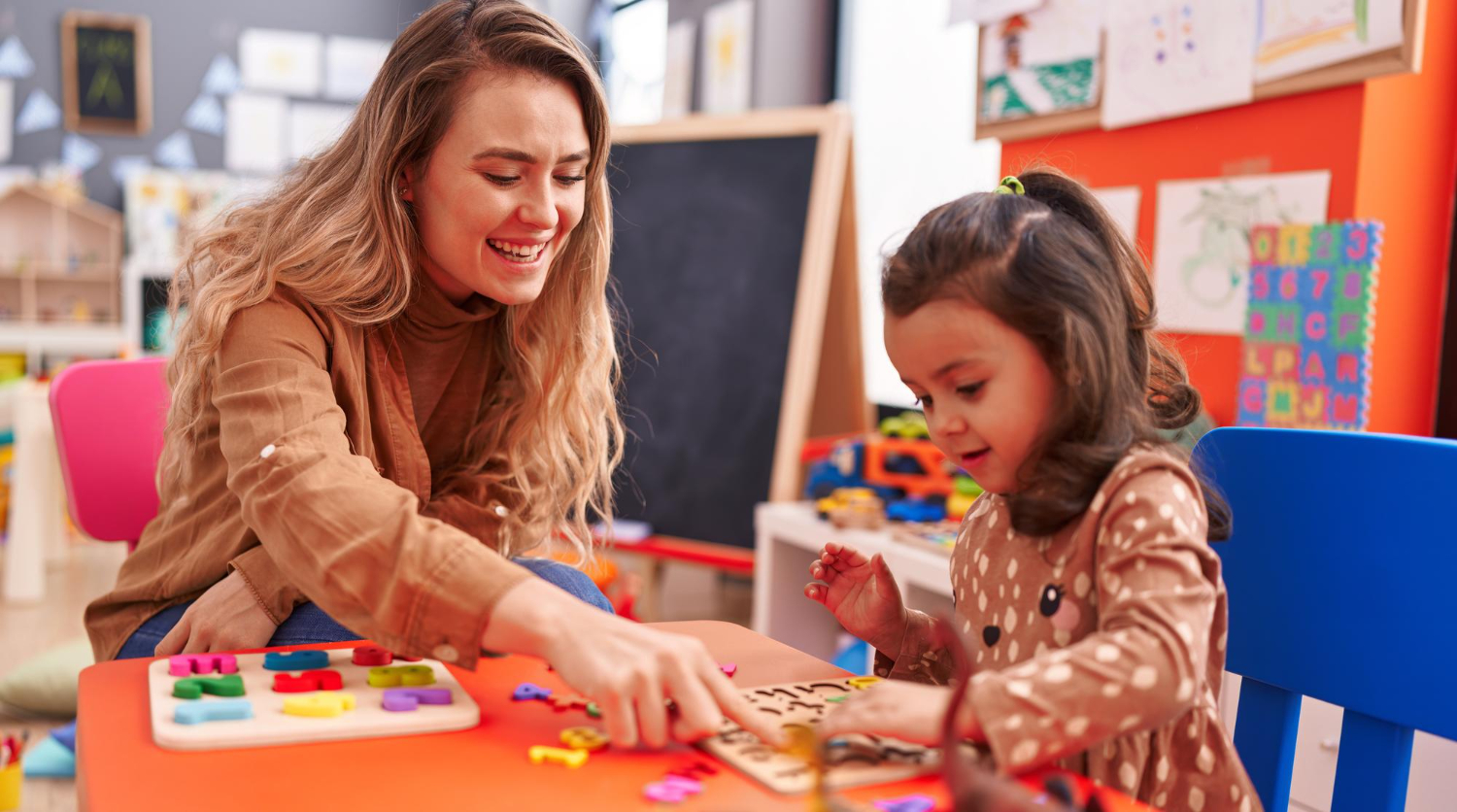
Choosing the right preschool can shape your child’s early learning journey and overall development. However, many parents unknowingly focus on factors like location, fees, or academic pressure while overlooking crucial aspects such as teaching methodology, teacher quality, safety standards, and emotional development. By avoiding these common mistakes, parents can make a more informed decision and provide their children with the best possible start in life.
A child’s first few years are critical for brain development. According to early childhood education research, nearly 90% of brain development happens before the age of five. During this stage, children learn how to communicate, build relationships, solve problems, express emotions, and explore the world around them.
This is why selecting the right preschool is not just about finding a place for your child to spend a few hours each day. It is about choosing an environment that nurtures curiosity, creativity, confidence, and a love for learning.
Yet, many parents make avoidable mistakes during the selection process. Let’s look at the most common ones and learn how to avoid them.
Convenience is important, but it should never be the primary deciding factor.
Many parents choose the nearest preschool without evaluating the quality of education and care being offered.
Teaching philosophy
Learning environment
Teacher qualifications
Child safety measures
Student engagement levels
A preschool that is slightly farther away but offers a better learning experience may be worth the extra commute.
Parents often assume that a preschool teaching reading, writing, and mathematics at an early age is automatically better.
However, early childhood experts agree that preschool should focus on holistic development rather than academic pressure.
Communication skills
Social interaction
Emotional intelligence
Creativity
Critical thinking
Motor skill development
Children learn best through play, exploration, storytelling, music, and hands-on activities.
Not all preschools follow the same educational approach.
Some use:
Play-based learning
Montessori methods
Finnish-inspired education
Activity-based learning
Inquiry-based learning
The teaching methodology directly impacts how children learn and engage with their surroundings.
✔ How are lessons delivered?
✔ Are activities child-led or teacher-led?
✔ How much emphasis is placed on exploration and creativity?
Understanding these factors helps ensure the preschool aligns with your child’s learning style.
A preschool is only as good as its teachers.
Even the best facilities and infrastructure cannot replace the impact of caring, trained educators.
Teacher qualifications
Years of experience
Training programs attended
Teacher-to-child ratio
Classroom management practices
Children thrive when guided by patient, knowledgeable, and nurturing teachers.
Safety should always be non-negotiable.
A preschool must provide a secure and healthy environment where children can learn and play confidently.
CCTV monitoring
Secure entry and exit systems
Child-friendly furniture
Emergency response procedures
First-aid facilities
Clean classrooms and washrooms
Sanitized toys and learning materials
Never hesitate to ask detailed questions about safety protocols.
Parent experiences often reveal insights that brochures and websites cannot.
Reviews can help you understand:
Teacher behavior
Communication quality
Child happiness levels
Overall parent satisfaction
School management responsiveness
While one isolated complaint may not be significant, recurring concerns should be carefully considered.
Many parents rely solely on online information before making a decision.
However, visiting the preschool allows you to experience the environment firsthand.
How teachers interact with children
Children’s engagement in activities
Classroom atmosphere
Playground facilities
Cleanliness standards
Learning materials available
A personal visit often provides the clearest picture of the preschool’s culture.
Academic readiness is important, but emotional development plays an equally vital role in a child’s future success.
A good preschool helps children:
Build self-confidence
Express emotions appropriately
Develop empathy
Learn teamwork
Resolve conflicts peacefully
Become more independent
Children who feel emotionally secure are more likely to perform well both socially and academically.
While budget is an important consideration, choosing the cheapest option may not always be the best decision.
Instead of asking:
“Which preschool costs less?”
Ask:
“Which preschool offers the best value for my child’s growth and development?”
Curriculum quality
Teacher expertise
Safety standards
Learning resources
Extracurricular activities
Parent communication systems
Quality early education is an investment in your child’s future.
Parents and teachers should work together as partners in a child’s learning journey.
Strong communication ensures parents stay informed about their child’s progress and development.
Regular progress reports
Parent-teacher meetings
Activity updates
Developmental assessments
Open communication channels
Transparent communication builds trust and creates a stronger support system for children.
Before finalizing a preschool, ensure it checks most of these boxes:
✔ Child-friendly classrooms
✔ Play-based learning opportunities
✔ Age-appropriate curriculum
✔ Creative activities
✔ Qualified educators
✔ Low teacher-to-child ratio
✔ Positive teacher-child interactions
✔ Secure campus
✔ CCTV surveillance
✔ Emergency preparedness
✔ Hygienic facilities
✔ Regular updates
✔ Parent-teacher meetings
✔ Transparent communication
Here are some important questions to ask during your preschool visit:
What teaching approach do you follow?
How do you track a child’s progress?
What is your teacher-to-child ratio?
How do you handle separation anxiety?
What safety measures are in place?
How do you encourage social development?
What extracurricular activities do you offer?
How often do parents receive updates?
The answers to these questions can help you make a more informed and confident decision.
Choosing a preschool is one of the most important decisions parents make during their child’s early years. The right preschool lays the foundation for future academic success, emotional well-being, and social confidence.
By avoiding these common mistakes, parents can focus on what truly matters: providing a nurturing environment where children feel safe, happy, and inspired to learn.
Lillipods India, being one of the Best Preschool Franchise in India, believes that early childhood education should go beyond academics and focus on developing confident, curious, and well-rounded learners. When parents choose a preschool that prioritizes holistic development, they give their children a strong foundation for lifelong success.
A preschool should be more than a place where children learn letters and numbers. It should be a space where they explore, create, communicate, and grow. Take the time to research, visit schools, ask questions, and evaluate every aspect carefully. The effort you invest today can make a lasting difference in your child’s future.
 Uncategorized
  15 July 2026